
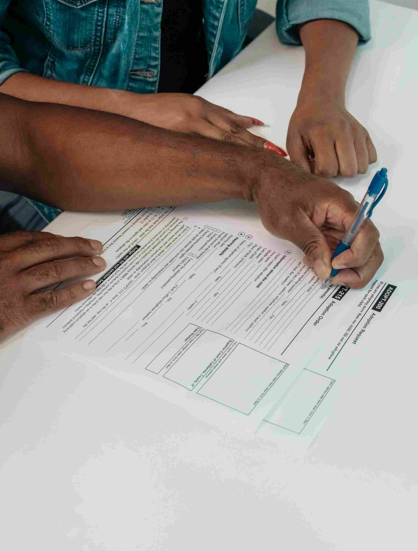
In Hindu Law, Judicial Separation is a legal remedy that allows a married couple to live apart without officially dissolving their marriage. Unlike divorce, which permanently ends the marital bond, this process is distinct and serves as a potential precursor to it. A court granted separation is based on specific grounds like adultery, cruelty, or desertion, which are recognised as valid reasons under the law.
During this phase, spouses still retain their marital status, but their legal duties and obligations are suspended, giving them an opportunity to assess their relationship, possibly reconcile, or ultimately move toward divorce. This structured, legally recognised approach provides couples facing significant marital challenges with a formal separation while remaining legally married.
Section 10 of Hindu Marriage Act, 1995- Judicial Separation :
1: When either party in a marriage decides to seek a legal remedy, they may file a petition under the relevant Act at the time of its commencement. Whether the union was solemnized before or after, one can initiate the process by praying for a decree of judicial separation based on the grounds clearly specified under section 13, sub-section (1). In the case of a wife, additional considerations are provided under sub-section (2), aligning with the conditions on which divorce could have been presented before the court.
2: When a petition for judicial separation is passed, it legally suspends the obligation of the petitioner to cohabit with the respondent, providing them with time to assess their marital situation. The court, upon an application from either party, may review the circumstances and, if satisfied with the truth of the statements made, holds the power to rescind the decree if it considers the decision just and reasonable.
Introduction to Judicial Separation
In India, judicial separation is a legal process that provides a married couple the right to live apart while remaining technically married. Unlike divorce, which ends the marital relationship, this provision offers couples time to reflect on their differences before making a final decision. Governed by the Hindu Marriage Act, 1955, and the Indian Divorce Act, 1869, judicial separation serves as an intermediate step, allowing spouses to reassess their marriage without completely dissolving it.
Reasons and Process for Seeking Judicial Separation
In India, a spouse may seek judicial separation due to cruelty, desertion, or incompatibility, which are legally recognized reasons for this process. It begins with the filing of a petition in the family court, where the court will hear the case, examine evidence, and consider arguments from both parties before making a decision. If the decree is granted, the couple is not required to live together as husband and wife, yet they are not free to remarry.
This allows couples to reflect on their relationship, attempt reconciliation, or, if necessary, proceed with a divorce. The start of this legal journey includes a notice being issued to the other party, followed by their response, possible attempts at reconciliation, and multiple hearings before a final decision is issued. Since this is often a complex and emotional matter, seeking advice from a qualified, experienced, matrimonial lawyer is essential to guide individuals in protecting their rights throughout the process.
What Does Section 10 of the Hindu Marriage Act, 1955 Mean
Under Section 10 of the Hindu Marriage Act, 1955, a petition for judicial separation can be filed by either the husband or wife if they have failed to fulfill their matrimonial obligations. This legal process allows a married couple to live separately while keeping their marriage legally intact without ending it.
The grounds for seeking this decree include cruelty, adultery, desertion, conversion to another religion, unsoundness of mind, or a venereal disease. These conditions are similar to those required for divorce under Section 13 of the HMA. However, the petitioner must wait for one year after marriage before filing, and if the respondent contests the case, they must prove their allegations before the court can pass the order.
Legal Consequences of Judicial Separation
Once a decree of judicial separation is passed, the rights and obligations of both parties are altered, meaning they are no longer legally obligated to live together and are free to live separately while still remaining married. However, they cannot remarry without first obtaining a divorce, as judicial separation does not dissolve the marriage.
A wife remains entitled to maintenance from her husband, who is required to provide support for her and their children. Additionally, both spouses retain the right to inherit each other’s property, ensuring financial security despite living apart.
Reconciliation Post-Judicial Separation
If parties decide to reconcile after obtaining a decree of judicial separation, they have the legal option to restore their marital relationship. By filing a joint application to the court, they can request to rescind the separation order. If the court is satisfied that the couple is genuinely living together again as husband and wife, it may approve the request, allowing them to resume their marriage without any legal barriers.
Benefits of Judicial Separation
Judicial separation is often a strategic choice for couples facing marital difficulties, offering several key benefits. It grants a period of time for reflection, helping partners evaluate their future while still maintaining their legal marriage status. Since they remain legally married, it holds significance in religious, social, and financial aspects. Unlike divorce, it allows child custody and maintenance arrangements while ensuring property rights are retained as a married couple. Additionally, it keeps the door open for reconciliation, giving spouses the possibility to mend their relationship. Understanding these aspects enables individuals to make informed decisions that align with their unique circumstances and aspirations.
Judicial Separation vs Divorce: What’s Right for You?
Judicial Separation vs Divorce: Choosing Your Path
Understanding the difference between judicial separation and divorce is crucial for couples considering a change in their marital status and exploring legal options to address marital issues. While both serve different purposes, their distinct legal implications shape the course of a relationship. Judicial separation allows spouses to live apart and suspend marital obligations without ending the marriage, making it a preferred choice for those who need time to contemplate their relationship, have religious or moral objections, or face legal and financial complexities.
Divorce, on the other hand, completely dissolves the bond, a definitive action for partners who decide their marriage cannot continue. It involves permanent decisions related to property division, custody, and maintenance, affecting not only the individuals but also their children. Before considering either option, it is essential to evaluate factors such as the possibility of reconciliation, impact on the family, financial aspects, and long-term personal goals to make an informed decision.
Summary
A decree of judicial separation under Section 10 of the Hindu Marriage Act provides a legal option for a married couple in India facing difficulties in their relationship to live separately while remaining legally married. This legal process does not lead to the ending of the marriage but allows time to work on reconciliation or decide on divorce. Seeking assistance from experienced lawyers who specialize in matrimonial cases ensures the process is handled efficiently. Firms like Century Law Firm offer effective legal services, guiding clients through filing the petition, court hearings, and representing them before a judge, who will determine if relief should be granted based on evidence presented by both parties. Each case is unique, and a well-equipped legal team can help navigate every aspect, from proceedings to making informed decisions. If you need the Best Matrimonial Case Lawyer in Delhi NCR, you can contact a trusted firm for assistance.